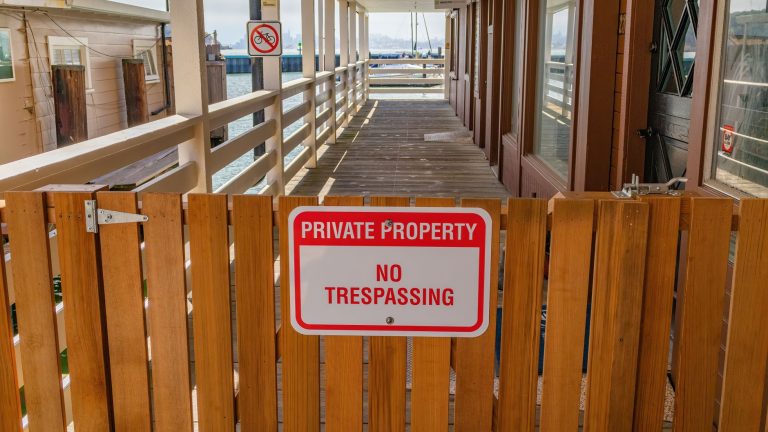
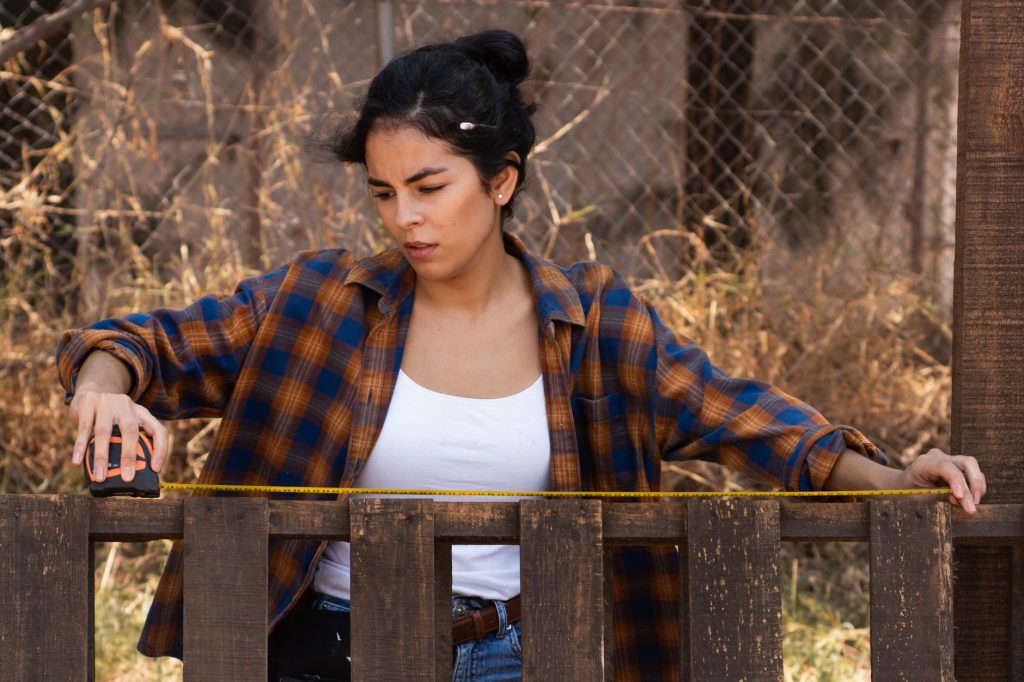
In most cases, the city measures your fence height because someone filed a complaint. Many cities do not patrol for fence violations. They respond to reports, then send an inspector to check the fence against the local limit. A permit application, a sale, or a rule change can also trigger a check, but a neighbor’s complaint is the most common cause.
Most enforcement runs on complaints
According to the City of Phoenix, its Neighborhood Services Department investigates alleged zoning violations on a complaint basis. Manteca, California, handles fence rules and other property use restrictions the same way, as the Manteca Bulletin has reported: the city acts when it receives a complaint. Local news coverage of fence disputes, such as CBS News reporting on a North Dallas fence fight, shows the same pattern. A dispute between neighbors ends up in front of code enforcement, and an inspector comes out with a tape measure.
Some cities make reporting easy. Hayward, California, for example, has an online page for reporting an illegal residential fence. If you get a visit, that is the likely path it took.
Why the inspector needs a tape measure
Height limits are specific, and they depend on where the fence stands on the lot. Fairfax County, Virginia, generally allows a maximum of four feet in a front yard, while side and rear yards can go up to seven feet, according to the county. Miami-Dade County generally caps fences at six feet in most cases. A fence that is fine in the backyard can be a violation when it runs along the front of the house.
That is why the inspector has to check two things: how tall the fence is, and which yard it sits in. Some codes define the front yard by the side of the house with the main entrance. For fence height purposes, the frontage with the primary entrance to the main dwelling is considered the front yard. On a corner lot, that can change which sections face the stricter limit.
Where the measurement starts
Owners are often surprised by this part. Most city codes measure from the finished grade at the base of the fence up to the top edge. What happens when the ground is different on each side is where cities split, based on their published codes:
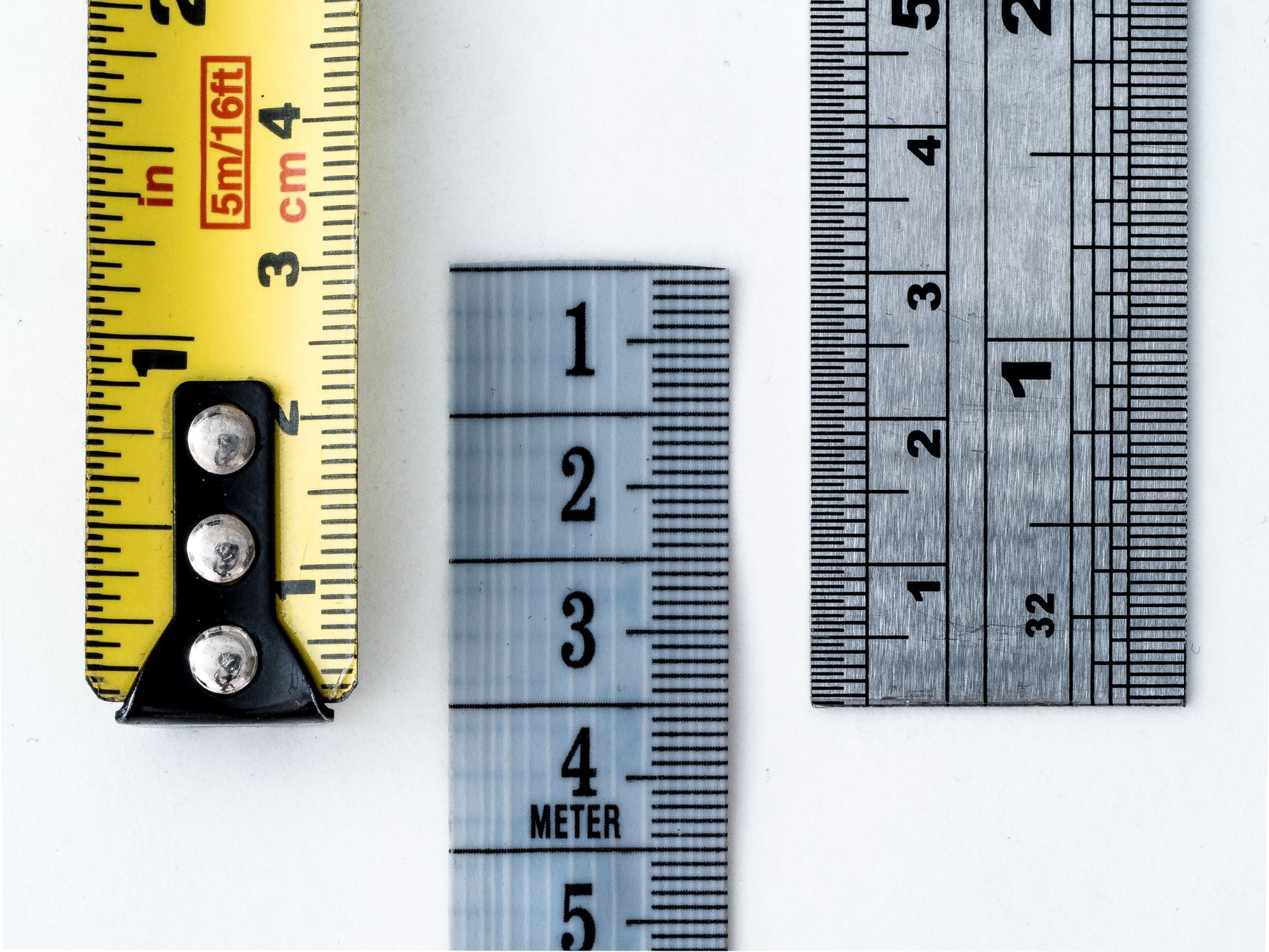
- Lower grade: Anacortes measures from the lower side. Menlo Park and San Bernardino use the lower finished grade, and Larkspur uses the lower of natural or finished grade.
- Higher grade: Eureka, Pinole and Sacramento measure from the higher side. Pinole applies this only when adjoining parcels differ by two feet or more. Sacramento says it applies especially when the fence also retains soil.
- Averaged or downslope: Indian Hills averages the two grades where a fence sits at a retaining wall or steep change in grade. Fairfax, California, measures from the downslope side.
- Other variations: Santa Clara bars artificially raising the adjacent grade to gain extra fence height. Sherwood takes the grade six inches out from the fence.
The top of the fence counts too. Colorado Springs measures from the top of the fence, including fence poles, posts and finials, to the finished grade on both sides of the fence. Some codes also count decorative add-ons such as lattice toward the total height. A six-foot fence panel with a two-inch post cap or a lattice topper can end up over the limit.
It is a height check, not a boundary check
An inspector measuring your fence is not deciding where your property line runs. Sacramento County’s code enforcement guidance says it generally cannot resolve property line disputes, and it recommends hiring a surveyor for boundary questions. If you are unsure where your fence sits, a survey comes first. Our guide to surveyor costs before building a fence explains what that involves, in French.
What to do if you get a notice
- Read the notice closely. It should name the rule, the date of the complaint or visit and any deadline.
- Find your own city’s code. The limit, the yard definitions and the measuring method all vary. Check the municipal code or call the code enforcement office.
- Measure the way the city does. Use the same start point the code uses, and include posts and decorative tops if the code counts them.
- Cooperate. Sacramento County’s guidance suggests cooperating in good faith when you receive a complaint. Cities often work with owners on a compliance timeframe. Manteca’s process, as the Manteca Bulletin described it, includes staff working with the property owner to gain compliance within a reasonable timeframe.
- Check for a permit or variance route. Some fences need a permit even when they are short. Our page on permits for fences under 4 feet covers when that applies.
A common follow-up question is how long someone has to report a fence over the limit. Our article on the time limit to report a fence over code height looks at that. Pools have their own height rules, covered in our pool fence height guide. For a general overview of national limits, see our piece on the rules in one French department to see how another country frames heights, permits and boundaries.
Before you build or replace
The cheapest fix is the one you make before the fence goes up. Look up the height limit for each yard on your lot and note how your city measures grade. If your ground slopes or the neighbor’s yard sits higher, ask the planning office which side counts. Keep your permit and any approval in a safe place. If a complaint arrives later, you can show the inspector the paperwork and the measurements you used.
Un devis à demander ?
Dites quelle prestation vous cherchez et dans quelle commune : la demande est enregistrée, jamais envoyée automatiquement à une entreprise.
This article is general information, not legal advice. For a dispute, a notice with fines, or a boundary question, talk to your city’s code enforcement office or a local attorney.