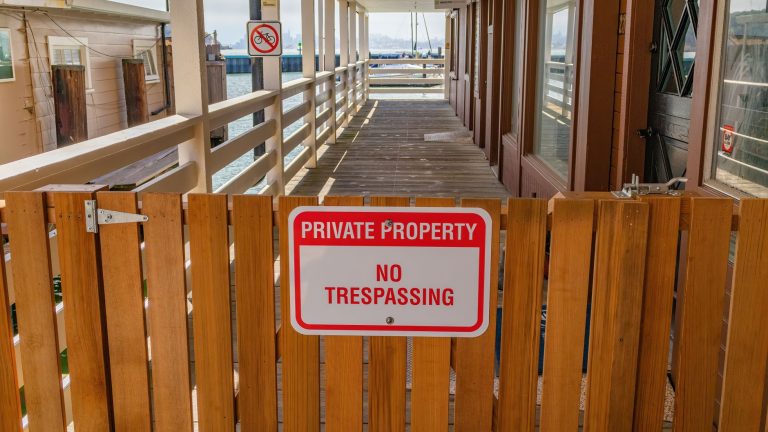

In most U.S. cities, a fence under 4 feet tall does not require a building permit, but that rule isn’t universal, and where the fence sits on your property matters as much as its height. Before you set a single post, it’s worth knowing exactly which local rules still apply even when no permit is needed.
The general 4-foot rule
According to a review of permit rules across jurisdictions compiled by PermitNotebook, a 4-foot fence falls below the published permit-exemption height in 70 of the 178 jurisdictions checked, and sits exactly at the threshold in four more. In plain terms: a majority of cities let homeowners build a fence up to 4 feet without pulling a permit, but a sizeable minority still require one regardless of height, material, or location.
Get A Site Plan, a permit-research resource, confirms the same pattern for low structures generally: fences and short retaining walls under 4 feet typically fall outside permit requirements in most municipalities. That said, « most » is not « all, » and the only way to know for certain is to check with your local building or zoning department before starting work.

Front yard vs. backyard: the real dividing line
Height isn’t the only variable cities care about, location on the lot changes the rules substantially. Per guidance from CostMyYard and PermitRules, a widely used standard allows fences up to 4 feet in the front yard and up to 6 feet in the back or side yard without a permit; crossing 6 feet almost anywhere triggers a permit requirement, and sometimes a variance request as well.
Front yards are treated more cautiously almost everywhere. As several permit guides note, front yard fences are typically capped at 3 to 4 feet, must often be at least 50% open (not solid), and can require a permit even under 4 feet in cities that prioritize sightlines for drivers and pedestrians at driveways and intersections. A solid 4-foot privacy fence facing the street, in other words, may need approval even where an open picket fence of the same height would not.
What « no permit » does not mean
Even in jurisdictions where a sub-4-foot fence is permit-exempt, several rules still apply:
- Setbacks: many towns require a fence to sit a specific distance from the property line, sidewalk, or street, independent of height or permit status.
- Material restrictions: some zoning codes limit what a front yard fence can be made of, even when no permit is required.
- HOA rules: a homeowners association can impose its own height, material, and approval requirements that are stricter than city code.
- Corner lot visibility triangles: fences near intersections may be restricted in height regardless of the general residential limit, for traffic-safety reasons.
As guidance from PermitRules and CostMyYard both stress, these location-specific caveats are exactly why checking with a local building department before digging post holes remains the safer move, even for a fence well under the typical 4- or 6-foot thresholds.
Why checking first still pays off
Skipping a required permit, or ignoring a setback rule, can mean being asked to move or remove a finished fence, which costs far more than a phone call to the zoning office up front. It also matters for property transactions: an unpermitted structure that should have had one can surface during a home sale or insurance review.
If your fence is going up after storm damage rather than as new construction, the permit question can intersect with an insurance claim, since insurers may ask whether the replacement meets current local code. And if budget is part of your decision on height or material, it helps to know where fence material costs stand right now before settling on a design that might need extra approval.
Un devis à demander ?
Dites quelle prestation vous cherchez et dans quelle commune : la demande est enregistrée, jamais envoyée automatiquement à une entreprise.
A quick checklist before you build
- Measure your planned fence height at its tallest point, including any lattice or cap.
- Confirm whether your city treats front, side, and backyard fences differently.
- Ask your local building department directly, permit thresholds vary by city, not just by state.
- Check for setback and material rules even if no permit applies.
- Review HOA documents separately from city code, since HOA limits are often stricter.
A fence under 4 feet is the lowest-friction build in most of the country, but « usually no permit » is not the same as « no rules. » A five-minute call to your local zoning office remains the cheapest step in the entire project.