When a storm knocks down your fence, the first question is almost never about repair materials, it’s about whose insurance policy is supposed to pay. The answer depends on which side of the fence failed, what caused the damage, and whether the repair cost actually clears your deductible.
Who files the claim when a shared fence is damaged
According to Travelers, homeowners insurance can cover damage to a shared fence, but each homeowner generally files a claim under their own policy for their own side of the structure. There is no single shared claim between neighbors in most cases, the fence is treated as part of each property’s « other structures » coverage, split by ownership or boundary line rather than by who built it.
The situation gets more specific when a tree is involved. Per AAA, if a neighbor’s tree falls on your fence during a storm, high winds, or heavy snow, your own homeowners policy typically covers the repair, not your neighbor’s. You generally cannot force your neighbor’s insurer to pay unless you can show the tree was already dead, diseased, or visibly hazardous, and that your neighbor knew or should have known it posed a risk. Conversely, if your own tree falls on your neighbor’s fence, their insurer is usually the one that responds, under the same healthy-tree exception.
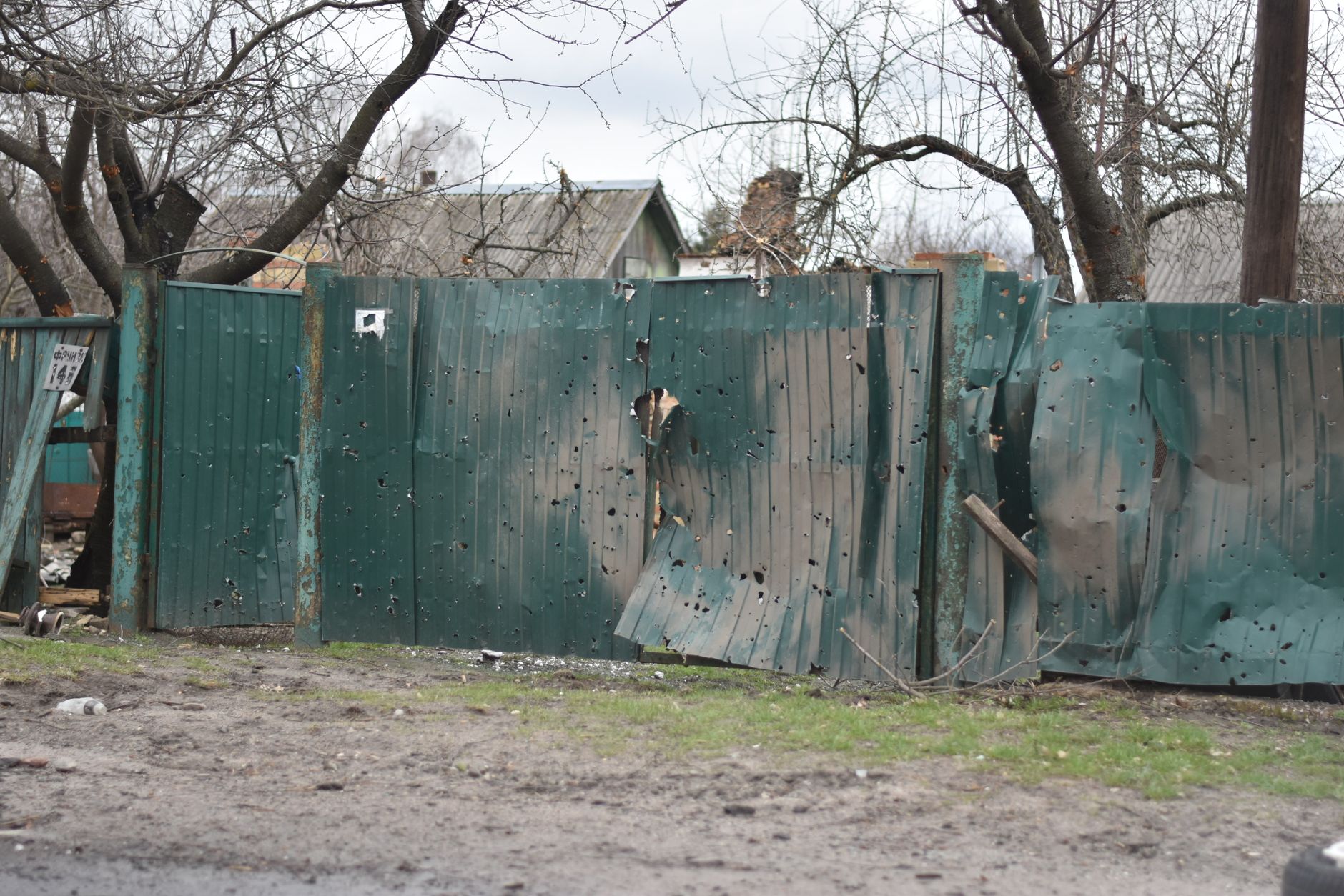
This matters for sinistre fencing situations specifically: the party that suffers the damage is almost always the party that opens the claim, regardless of who is technically at fault for the storm itself. If your fence shares a property line and you’re unsure who owns which panel, checking the original property survey or title documents before calling your insurer can save a denied claim later. For a deeper look at the declaration process itself, the question of who must declare a torn-down fence and why it matters walks through the paperwork step most homeowners skip.
What a standard homeowners policy actually covers
Per ValuePenguin, standard homeowners insurance covers fence damage under « other structures » coverage (often called Coverage B) when the damage results from a covered peril, wind, hail, fire, vandalism, a fallen tree, or vehicle impact, and the event was sudden and accidental. What it does not cover is just as important: damage from flooding, earthquakes, mold, fungus, termite infestation, landscaping mishaps, or ordinary wear and tear are all excluded, according to the same source.
That exclusion list explains why so many storm-related fence claims get denied. An adjuster sent to inspect a leaning, rotted fence post after a windstorm may determine the real cause was years of decay, not the wind itself, and decay isn’t a covered peril. Documenting the fence’s condition before a storm season, including photos dated and timestamped, gives you something to push back with if an adjuster tries to attribute damage to pre-existing wear.
When filing a claim isn’t worth it
Per MoneyGeek, fence repair costs average around $608, while the most common homeowners insurance deductible is $1,000. That gap means filing a claim often doesn’t make financial sense unless the damage is extensive, multiple sections, posts, gates, or an entire perimeter run. Submitting a claim for a repair that costs less than your deductible accomplishes nothing except creating a claims-history entry that can affect future premiums or renewal terms.

Before calling your insurer, get at least one repair estimate. If it comes in under your deductible, paying out of pocket is usually the better move. If the damage spans a large section of fencing, including posts that need to be reset, the math often flips the other way, and that’s when a formal claim is worth the administrative effort.
Building a claim-ready file after storm damage
Insurers respond faster and more favorably to claims backed by clear documentation. A practical file includes:
- Dated photos of the damage from multiple angles, including close-ups of broken posts or hardware
- A copy of the original fence installation invoice or warranty, if available
- At least one independent repair estimate itemizing materials and labor
- Weather records or local storm reports confirming the date and severity of the event
- A note of any pre-existing damage disclosed honestly, since misrepresenting condition can void a claim
If the triggering event was a named storm, homeowners in the affected region should also check whether a formal disaster declaration changes filing deadlines or opens access to supplemental funds, a process covered in more detail in how to claim compensation after Storm Austen. Homeowners rebuilding after a major claim sometimes also qualify for assistance programs, a separate track from insurance explained in the piece on financial aid eligibility for fence repairs.
After the claim: rebuilding smarter
Once a claim is approved, or once you’ve decided to self-fund the repair, it’s worth reconsidering materials rather than simply replacing what failed. A fence that blew down once under wind load may fail again in the same spot unless posts are reset to proper depth and the material itself is matched to local wind exposure. Reviewing options at that stage, rather than defaulting to an identical rebuild, is usually the cheaper long-term decision even if it costs slightly more upfront.
Un devis à demander ?
Dites quelle prestation vous cherchez et dans quelle commune : la demande est enregistrée, jamais envoyée automatiquement à une entreprise.
Whatever the cause of the damage, the sequence that protects you financially is consistent: document first, get an estimate before calling the insurer, confirm which policy, yours or a neighbor’s, actually applies, and only file when the repair cost clearly exceeds your deductible.