A 50cm ganivelle is the shortest standard height sold by French fencing suppliers, and it’s the size most often chosen for dune protection, flowerbed borders and low garden delimitation rather than full privacy screening. Several specialist retailers currently sell this exact height in rolls, and prices vary mainly by wood species and slat spacing.
What a 50cm ganivelle actually is
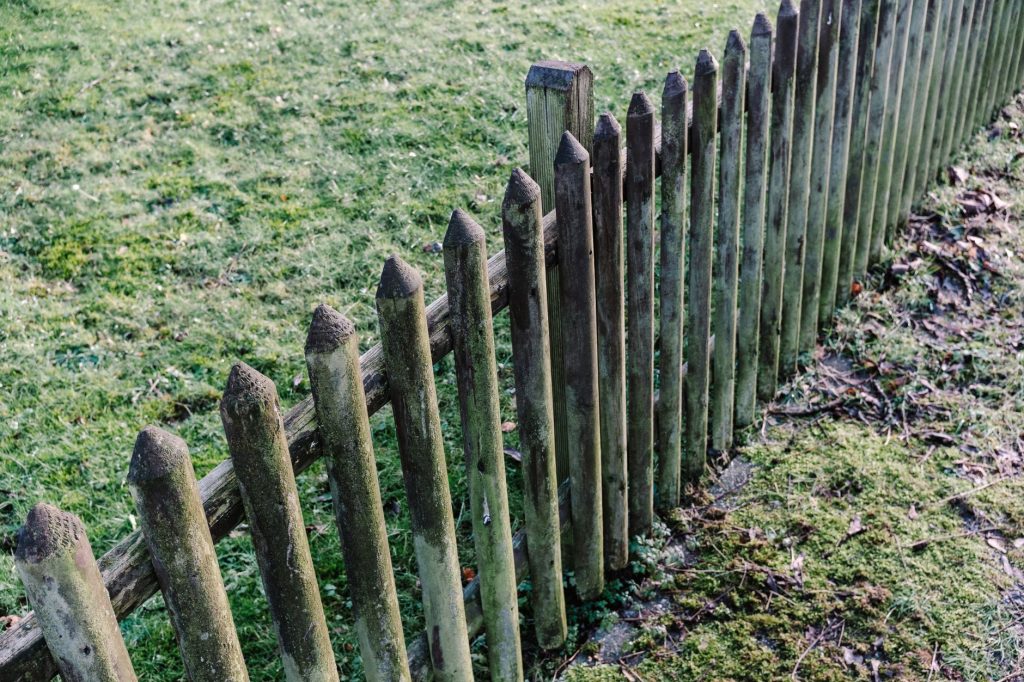
A ganivelle, sometimes called a clôture girondine, is a pre-assembled panel of wooden slats held together with twisted galvanized wire, originally built from split chestnut laths pointed on one side. The spacing between slats determines how permeable the fence is to wind, sand and small animals. At 50cm tall, it’s too low to act as a privacy fence or a pet barrier, but it’s exactly the height used along French coastal dunes, where the goal is to slow wind without blocking it completely, reducing sand drift and helping dune vegetation re-establish itself.

Beyond the coast, the same low height gets used for garden bed edging, path borders and light decorative enclosures. If you’re trying to understand the broader category before buying, the ganivelle fence guide covers the different wood types and wire assembly in more detail, and the ganivelle definition page clears up the spelling confusion (‘galivelle’ vs ‘ganivelle’) that trips up a lot of searches.
Current suppliers and prices for 50cm rolls
Pricing for a 50cm ganivelle depends heavily on wood species, roll length and slat spacing. Based on current listings from French fencing retailers:
- Le Bois et Vous sells a 50cm ganivelle in a 10-meter roll for around 100.50 € including tax.
- Filoche et Ficelle lists a 50cm acacia (robinier) ganivelle at roughly 96 € for a 10-meter roll, and also offers shorter 5-meter acacia rolls at a lower price point.
- Nature & Mat prices a 50cm ganivelle with 4 à 5cm slat spacing at about 135.34 € including tax.
- Clôture Châtaignier France offers 5-meter lengths of 50cm chestnut ganivelle starting around 41.40 € and going up to about 81.60 € depending on spacing.
- Guillebert sells a 50cm by 10-meter ganivelle for about 99 € excluding tax.
Chestnut (châtaignier) is the traditional material and is valued for being naturally rot-resistant without chemical treatment, which matters for a fence that sits low to wet ground. Acacia (robinier) is the main alternative and tends to run slightly cheaper in some catalogs, though not always, spacing and roll length move the price more than species alone.
Why spacing changes the price so much
Within the same 50cm height, suppliers offer different gaps between slats, commonly ranging from tight 3 à 4cm spacing up to wider 6 à 8cm gaps. Tighter spacing uses more wood per meter and costs more; wider spacing is cheaper but lets more wind and sand through, which matters if the fence is doing dune-stabilization work rather than decoration. If you’re buying for a flowerbed border, wider and cheaper spacing is usually fine. If you’re replacing a dune or windbreak fence, it’s worth checking what spacing the original installation used before reordering.
Installing it correctly
Ganivelle rolls are installed by driving support stakes into the ground and unrolling the pre-assembled wire-and-slat panel against them, then securing it with additional wire ties. Suppliers generally recommend stakes spaced no more than 2 meters apart to keep the roll from sagging or bowing, especially on sandy or soft ground where the fence has less lateral support. Because the panels are flexible, a 50cm ganivelle can follow curved dune contours or garden bed shapes without needing to be cut into rigid sections.
Buying for a property in the Seine basin
If you’re sourcing a ganivelle for a property along the Seine or in a department like Seine-et-Marne, local rules on fence height, setbacks and permits can apply even to a low 50cm barrier, particularly near shared boundaries or protected riverbanks. It’s worth checking the fence rules for Seine-et-Marne before ordering, since boundary and permit requirements are handled at the département level and differ from the coastal dune context where most 50cm ganivelle fencing is designed to be used.
Shipping is also a practical factor: ganivelle rolls are bulky and relatively fragile in transit, so most of the suppliers above either ship by freight pallet for larger orders or restrict online sales to regional delivery. For a few rolls, picking up locally from a garden center or fencing retailer is often simpler and avoids freight surcharges that can add 20 à 30 € or more per roll.
Chestnut vs acacia: which to choose
Chestnut remains the traditional and most widely stocked material for ganivelle fencing in France, prized for natural durability in damp or sandy soil without chemical treatment. Acacia is a workable substitute, generally similarly priced or slightly less in some catalogs, and holds up comparably outdoors. Neither requires staining or sealing to meet the lifespan expected of this type of fencing, though both will silver and weather over a few seasons, which is part of the look most buyers are going for in the first place.
Un devis à demander ?
Dites quelle prestation vous cherchez et dans quelle commune : la demande est enregistrée, jamais envoyée automatiquement à une entreprise.
Before ordering, confirm the exact roll length, slat spacing and stake spacing recommended by the supplier, since these details, more than the wood species, determine both the final price and how well the fence performs once it’s in the ground.