« Galivelle » isn’t a real word, it’s a common misspelling of ganivelle, a traditional French fence made of thin vertical wooden slats held together with galvanized wire. If you landed here looking for a « galivelle definition, » what you actually want to understand is what a ganivelle is, what it’s made of, and where it’s used.
What a ganivelle fence actually is
A ganivelle, sometimes called a « girondine » fence after the Gironde region where it’s widely used, is a barrier made of split wooden lattes set vertically and linked together by rows of galvanized steel wire. The wood is most often chestnut, chosen because it resists rot and humidity naturally without chemical treatment, though hazel (noisetier) is also used by some manufacturers. The slats come pre-assembled and are typically sold in rolls of 5 meters, which makes installation straightforward: you unroll the panel and fix it to posts.
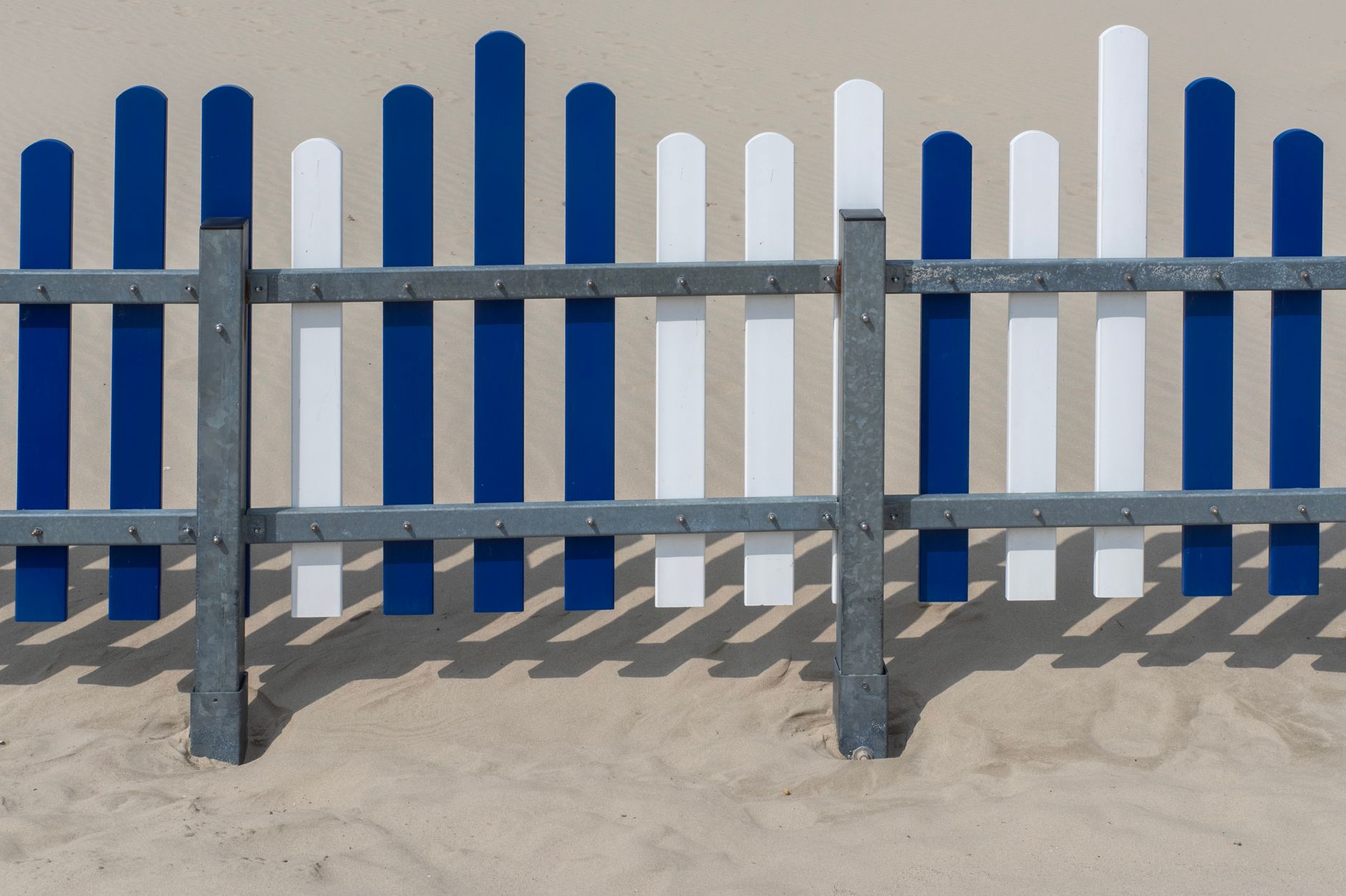
The spacing between the wooden slats varies by model, generally between 4 and 5 cm, and this gap is actually functional rather than decorative, it lets wind pass through the fence instead of being blocked by it.
Why the spelling gets confused
« Ganivelle » is already an unusual word outside France, so it’s easy to see why a search engine or a memory slip turns it into « galivelle, » « ganivel, » or even « canivelle. » There is no separate product called a galivelle, every search for that term eventually leads back to the same chestnut-and-wire fencing described above.
The original job: holding back dunes
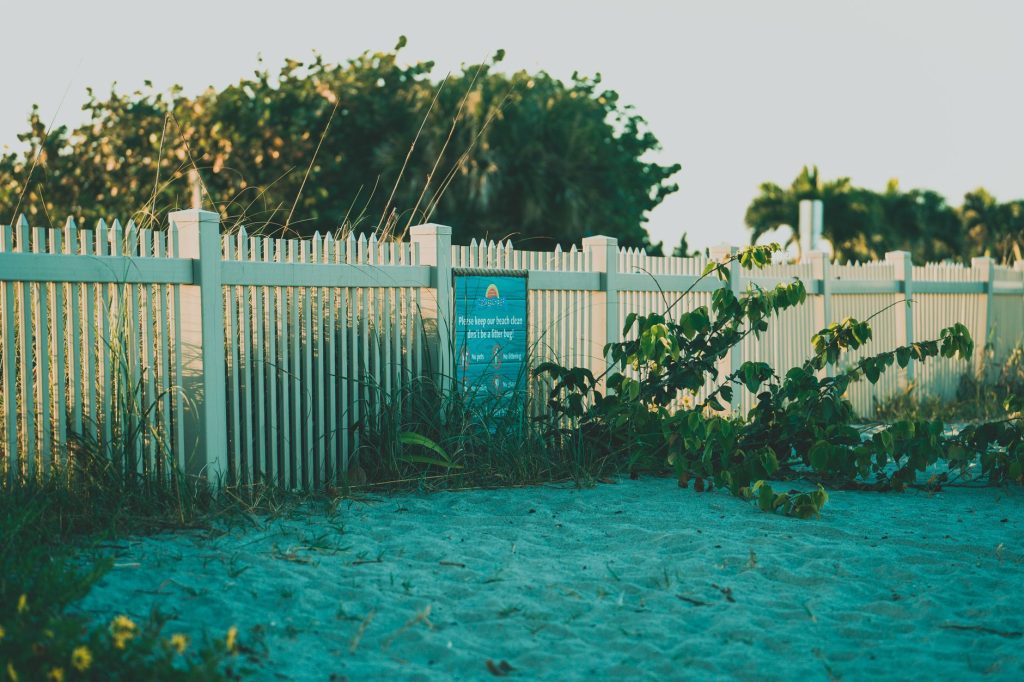
Ganivelles were not designed as garden decoration first. Their original and still primary use is coastal dune protection. Along the Atlantic coast, the French national forestry office, the ONF, installs ganivelle barriers on dunes to trap wind-blown sand and keep beachgoers from trampling the fragile vegetation that stabilizes the dune. The low, semi-permeable fence slows the wind just enough that sand drops and accumulates against it, which helps rebuild the dune profile over time instead of letting it erode away.
That mission has become more urgent recently. According to the ONF, the autumn and winter of 2025 à 2026 brought unusually intense marine erosion to the French Atlantic coast: 158 km of the 350 km of shoreline the ONF monitors in the southwest were affected between September 2025 and April 2026, close to 45% of the sandy coastline in that region, with the worst damage recorded in January and February 2026 during a run of winter storms and exceptionally large tides. Ganivelle fencing is one of the low-cost, low-impact tools foresters use to help dunes recover from that kind of damage, alongside projects that let dunes retreat naturally in some zones rather than fighting the sea everywhere.
How it’s used away from the beach
Outside dune management, ganivelle fencing has become a popular garden and boundary option because it’s affordable, natural-looking, and easy to install, even if it offers only partial privacy given the gaps between slats. Typical uses include:
- Marking a property line or garden bed border without blocking the view
- A low barrier along a driveway, path, or flowerbed to discourage foot traffic
- A rustic backdrop for climbing plants in combination with a stronger structure
- Temporary fencing around construction zones or newly planted areas
It is not usually chosen as a primary security fence, since the open slats and light wood construction make it easy to see through and not especially hard to breach. For a boundary that needs to double as a legal or shared limit between two properties, it’s worth understanding the separate rules that apply, a point covered in our guide to shared boundary fencing and who owns what.
Heights, rolls, and rough pricing
Ganivelle rolls are commonly sold in heights from about 0.80 m up to 1.20 m, with some specialist suppliers offering shorter or taller options up to 2 m for specific landscaping needs. A 5-meter roll at 1.20 m height with 4-5 cm slat spacing has been listed by French retailers at roughly €110 for the roll, which works out to around €22 per linear meter, though pricing swings noticeably with height and spacing, with some 5-meter rolls selling anywhere from about €56 to €150. Posts, wire ties, and installation time are separate costs on top of the roll price itself.
How it compares to other low wooden fences
If a ganivelle’s airy, rustic look isn’t quite what you need, two close relatives are worth a look. A full wood privacy fence built from solid boards, as detailed in our guide to wood fence species, costs, and installation, blocks sightlines completely instead of just filtering wind. A woven reed panel, covered in our article on canisse fencing for balconies and terraces, gives a similar natural texture but in a denser, more private screen suited to small outdoor spaces rather than open dunes or large gardens.
Un devis à demander ?
Dites quelle prestation vous cherchez et dans quelle commune : la demande est enregistrée, jamais envoyée automatiquement à une entreprise.
The short answer
There’s no separate thing called a « galivelle. » The correct term is ganivelle: a roll of thin chestnut slats wired together, originally built to trap sand on dunes and now just as common as an affordable, natural-looking garden border. Its strength is wind permeability and low cost, not privacy or security, so it’s best matched to decorative borders, erosion control, and light boundary marking rather than anywhere you need a solid, opaque barrier.