If your property borders a voie verte (greenway) marked « sauf riverains, » you likely still have a legal right to drive to your own gate, but what you can build or plant along that strip is governed by rules many fence owners overlook. A legal brief published 16/11/2026 by French attorney Maître Reda Kohen lays out how these access and boundary rights actually work, and the details matter for anyone fencing a rural or peri-urban lot.
What a « voie verte » actually is
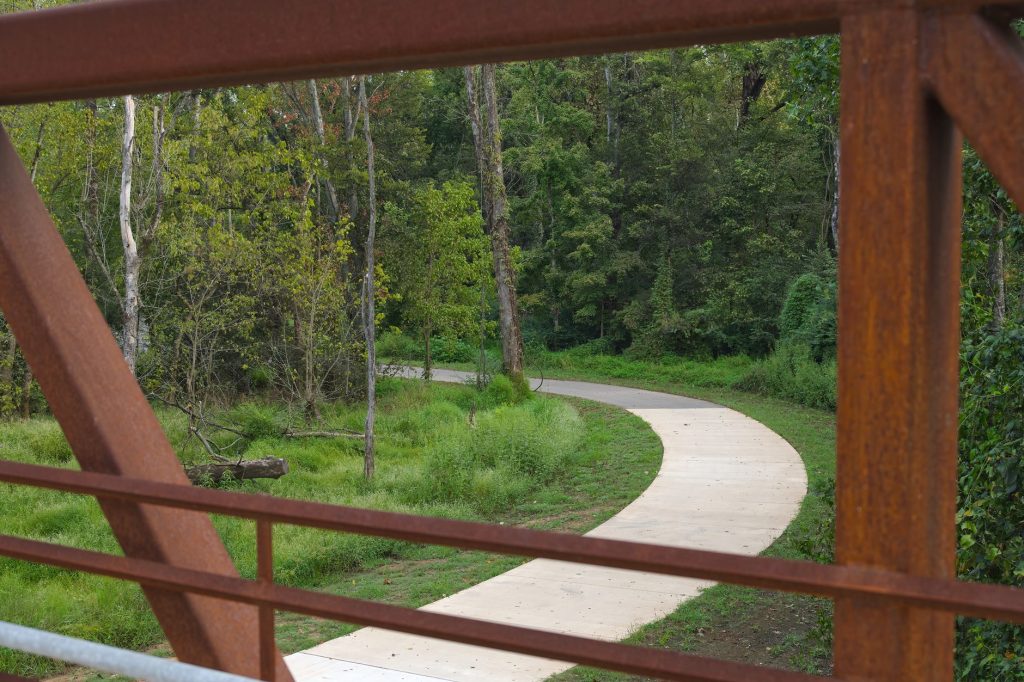
A voie verte is a route reserved for non-motorized traffic, walkers, cyclists, horse riders. According to the legal analysis, motor vehicles are banned on these paths except where the local police authority grants a derogation, and riverains (property owners or residents along the route) are among those who can be authorized to drive in. The sign « sauf riverains » does not open the path to just anyone passing by: it carves out an exception strictly for people who own or occupy property bordering the way.

This distinction matters because a separate, often-confused sign, « sauf desserte locale », covers a broader group, including visitors, delivery drivers or home-care workers heading to an address on the street. Confirming which sign applies to your section of road determines who can legally reach your driveway.
When the greenway is your only way out
The legal brief addresses a scenario fence owners in converted rural lots increasingly face: a property whose only vehicle access runs along a voie verte that does not, in practice, allow adequate car traffic. In that case, French law on enclosed land (terrain enclavé) can open a right of passage over a neighboring property instead, subject to an indemnity and later extinction if circumstances change.
Three conditions have to be met for that passage right to be recognized, per the analysis: the enclave must be real and current, the route chosen must be the shortest and least damaging to the neighbor’s land, and the indemnity must be proportionate to the harm caused. This is the same legal framework courts use more broadly for landlocked parcels, as detailed in earlier 2026 rulings on terrain enclavé passage disputes.
Fencing your own side without blocking the easement
Owners who are burdened with granting passage, whether across a backyard or along a boundary, keep the right to fence their property. What they cannot do, according to the brief, is build a fence or gate that neutralizes the servitude itself. In practice, that means a locked gate across a recognized passage route, or a fence line that narrows the easement below what was granted, can be challenged and ordered removed.
This lines up with the general rule under Article 647 of the French Civil Code, which gives every landowner the right to enclose their property, but that right has limits whenever a neighbor’s documented access depends on the same strip of land. Before planning a garden fence project near a shared path or greenway, it’s worth confirming on paper exactly where the servitude runs and how wide it needs to stay.
Trees, nuisances and the boundary line
The brief also covers boundary trees and nuisances along these shared routes, recurring sources of neighbor disputes independent of any fence. Branches or roots crossing onto a voie verte or a neighboring lot can trigger the same kind of claim as a misplaced fence: the owner of the tree remains responsible for trimming growth that encroaches on a right of way or a neighbor’s land, separate from any question of vehicle access.
What this means before you build
For anyone fencing a property that touches a voie verte, a few practical steps emerge from this legal guidance:
Un devis à demander ?
Dites quelle prestation vous cherchez et dans quelle commune : la demande est enregistrée, jamais envoyée automatiquement à une entreprise.
- Check the exact wording on the access sign, « sauf riverains » and « sauf desserte » grant different rights to different people.
- Verify whether your plot’s only vehicle access is genuinely insufficient before assuming an enclave claim will succeed; courts require a real, current enclave, not just inconvenience.
- If a passage right already exists over your land or a neighbor’s, design the fence and gate around it, never narrower than the recognized easement.
- Keep boundary trees trimmed back from any shared path to avoid a separate nuisance claim.
Because these rules sit at the crossing point of road law and civil property law, an error in a title deed or an undocumented easement can be costly to unwind later. Owners planning work near a shared boundary fence or a rural access route should have the property’s existing easements checked by a notary or property lawyer before any posts go in the ground, and budget the project only after that’s confirmed, a step also worth factoring into any fence quote by the meter for a rural lot.